

Around the Albaicyn in Granada, about 20% of the homes are abandoned. Some are waiting for restoration, for a future, while others are disintegrating beyond all repair. As I walk through these tiny, winding streets, I seek out the desolate places, the homes that have withered for decades under the harsh sun of the Andalusian summers, and the punishing cold that descends upon Granada every winter. These homes are lost to time, their windows like dead eyes staring into the nothingness.

There are property disputes that are never resolved here. The parents pass away, and the children cannot agree on the fate of the house. The homes are held hostage to angry siblings who, instead of working together to either save or sell the property, decide to let their childhood home succumb to the elements.

Some homes have caught fire or suffered some irreparable damage, and there is no assistance coming from the local government. There are cat colonies that wander through these places, staring out from the dark and dusty rooms, too wild to come close and too hungry to resist a plate of food. Other buildings are illegally occupied by “okupas”, who, while they have no legal right to live there, are almost impossible to dislodge due to local rules that grant them certain rights. Still others are a magnet for the homeless, the addicted, and the desperate. I stay away from places that have human occupants, but the vast majority do not. In those cases, the most I can do is take photographs, since there are too many neighbors close by who will ask you what your business is peeking into doorways and windows. Trespassing, even when a place has been abandoned since the 19th century, is very much frowned upon here. Ghost hunting in such a Catholic country as Spain not only is a bizarre activity, but directly contrary to the beliefs of the Church.

I am drawn to the beauty of these places, to the way they gracefully disintegrate and retain their former elegance if only in the memories they still embody. These homes are more than buildings; they are grave markers, reminders of a time long past, and the guardians of their former occupants’ lives.
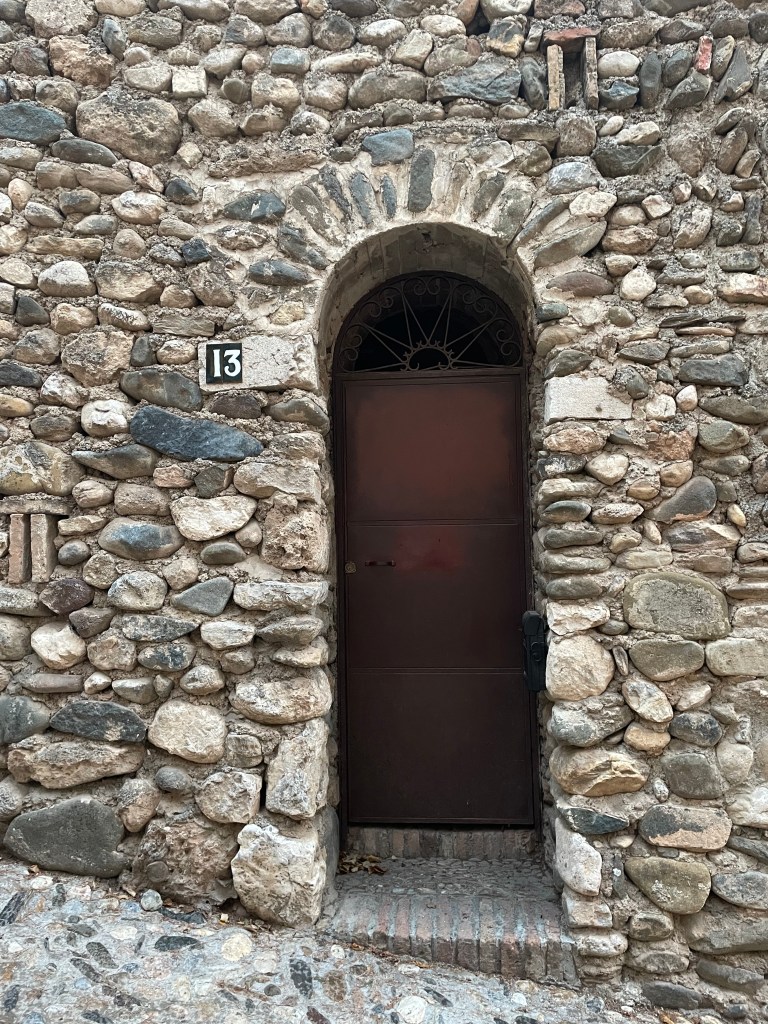
Even buildings that are not abandoned in Granada feel haunted. There is something about the history of the entire area that repeats itself every time you walk through the streets. The Romans built a road through the Bajo Albaycin, and after that, the Arabs and Mozarabs added aljibes, or wells, storage areas for grain, more streets, places to barter, spice stores, baths, and tea shops. The Catholic Monarchs claimed it all in 1492, sending the Arabic princes, dignitaries, soldiers, and families into the surrounding hills and towns, where inevitably, they were slaughtered or forced to convert to Christianity.


Granada is a haunted city. There are so many layers of history, of lives lost in battle, of anarchists and communists and protesters shot up near my neighborhood at the end of the Spanish Civil War; the Inquisition marched heretics and enemies of the faith around the Albaycin in tunics and pointed hats before torturing them to death in the name of the sanctity of Catholic doctrine. And more recently, there are the ghosts of someone’s elderly parents who died in their homes or left to live in the “residencia” while their children fought among themselves regarding the fate of the family home, or simply, there were unresolved legal issues that left the apartamento or the carmen in a state of eternal, legal limbo. Or there was no money for needed repairs and upgrading, and the family simply had to leave.
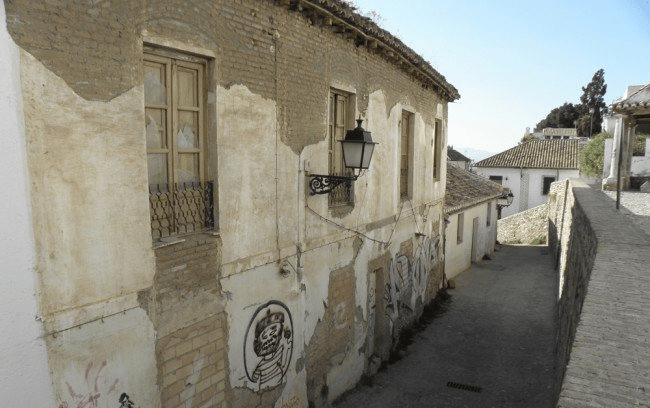
And while the Ayuntamiento (City Hall) wrings its hands about the number of empty and decaying buildings in the city, the ghosts of the past settle in and peer out the dark windows. There is no rush to leave, no need to move on, and nobody to send them away. Granada holds them all, memories and emotions long lost, and all the ghosts of history–recent and ancient–continue their silent vigil.
 International Society for Paranormal Research